The first hives arrived in the middle of the night.
It was nine years ago this summer. Our friend David had asked whether he could put two hives in our garden - and somewhere in that conversation, without quite meaning to, we became beekeepers. The timing of the delivery was practical rather than dramatic: bees travel better at night, when they’re cool and calm and clustered together, rather than in the heat of the day when foragers are still out and a colony is running at full temperature. His Landrover pulled into the garden sometime around two in the morning with the hives on the back.
We stood in the dark, listening to the hum coming from those boxes, and I think both of us had the same thought. What have we actually done?
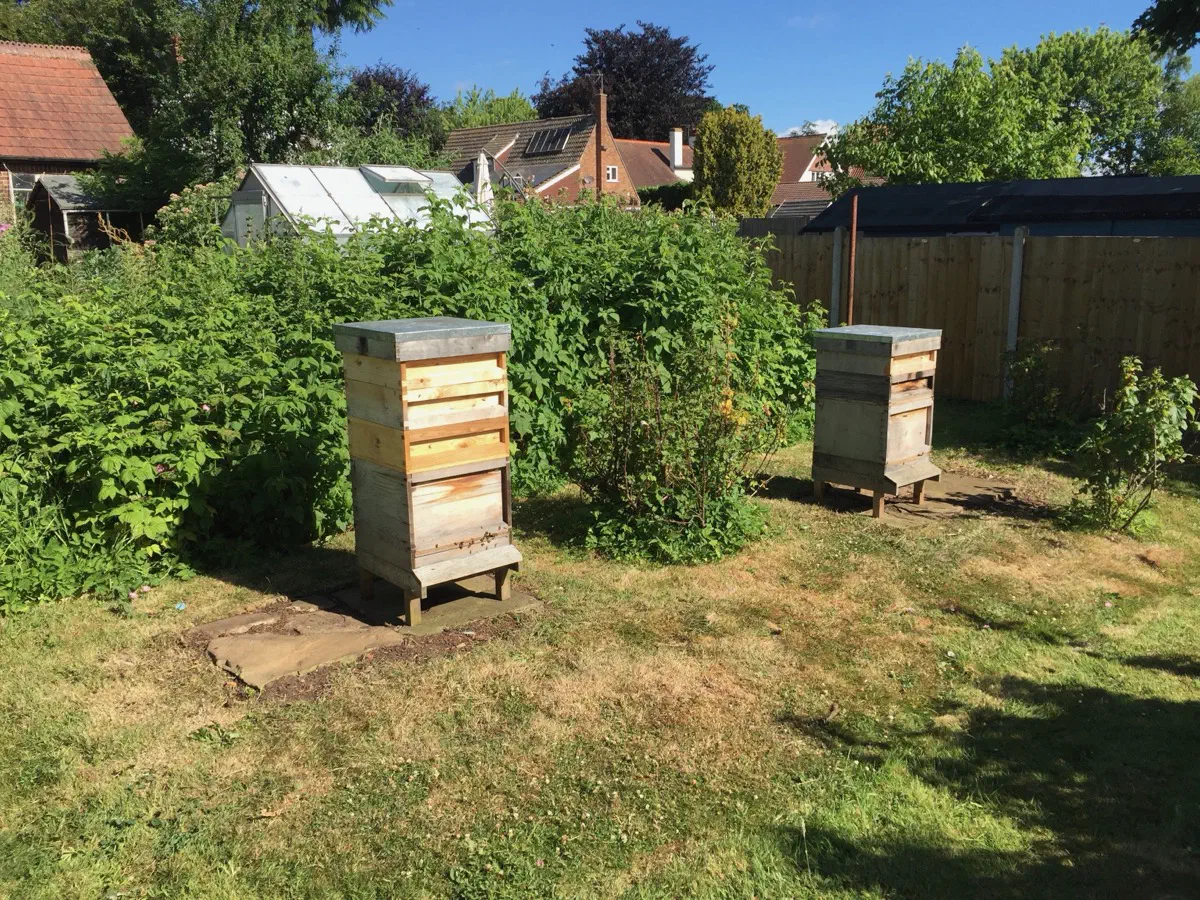
The following week, one colony was queenless.
The hives were David’s - we were keeping the bees together - and he came round to help us investigate. He had forgotten his smoker. We decided, naively, that we could manage without one.
A queenless colony has a distinctive mood - restless, purposeless, short-tempered in a way that hits you the moment you crack the lid. This one had decided the source of all its problems was us, and without smoke to calm things down, it followed us back across the garden and most of the way to the house. We retreated with something less than dignity.
I want to be clear: this is not unusual. Queenless colonies can do this. The lesson about the smoker did not need learning twice.
What nine years actually feels like
Beekeeping, it turns out, is mostly about patience and observation - being willing to stand and watch and wait rather than intervene the moment something feels uncertain. That took longer to learn than I’d like to admit. The urge to do something when you’re looking at tens of thousands of bees is very strong, especially early on. The craft is knowing when to put the lid back on and leave well alone.
We’ve also worked hard on the quality of our stock over the years - selecting for temperament as much as anything else. Our bees now are generally calm, easy to handle, and very much at home in the garden. The veg patch sits right next to the hives. Nobody minds.
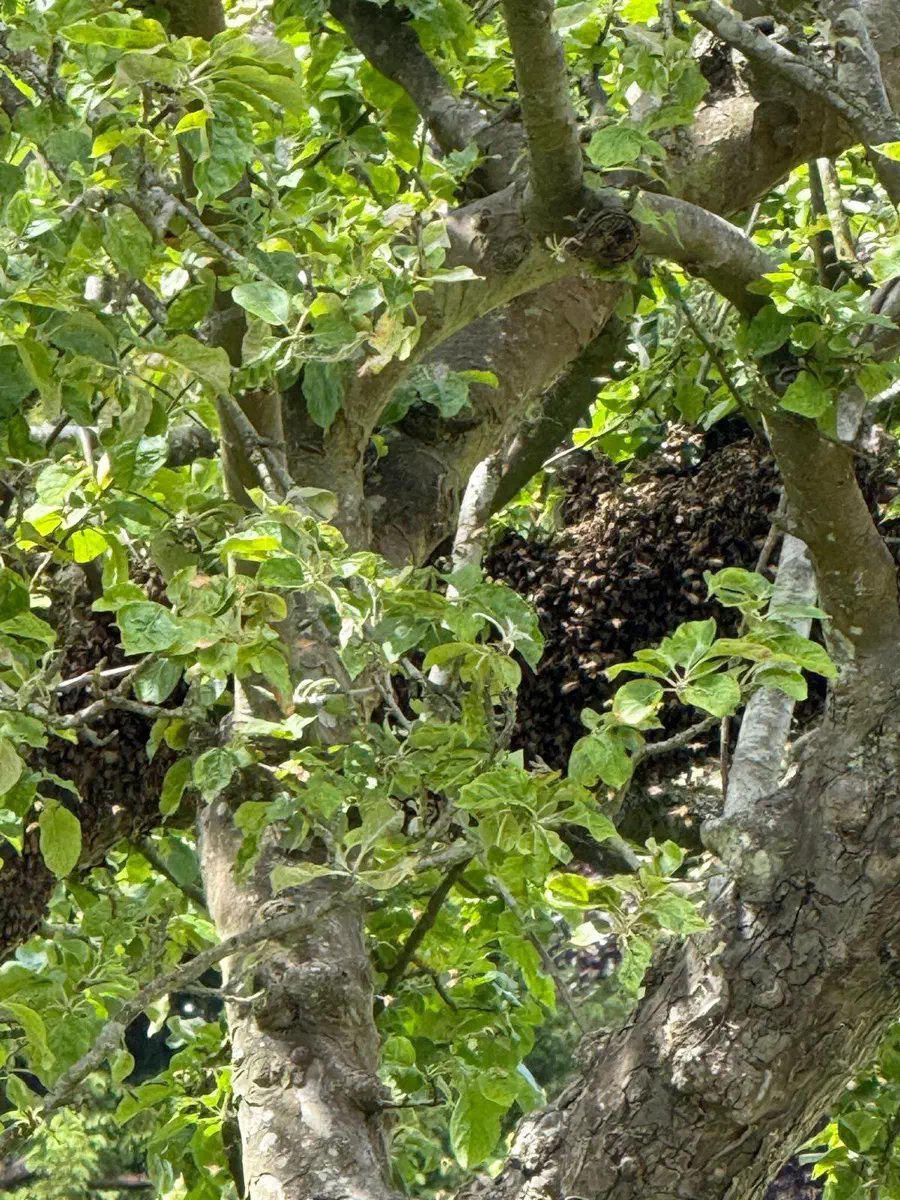
We’ve had good years and harder ones. We’ve lost colonies - to hard winters, to varroa that got ahead of us one autumn before we caught it. We’ve had swarms land in the hedge and swarms go over the roof and many that have ended up in next-door Dave’s apple tree - they seem to like that one.
And somewhere in there, we started entering the Norfolk Beekeepers’ Association honey shows.
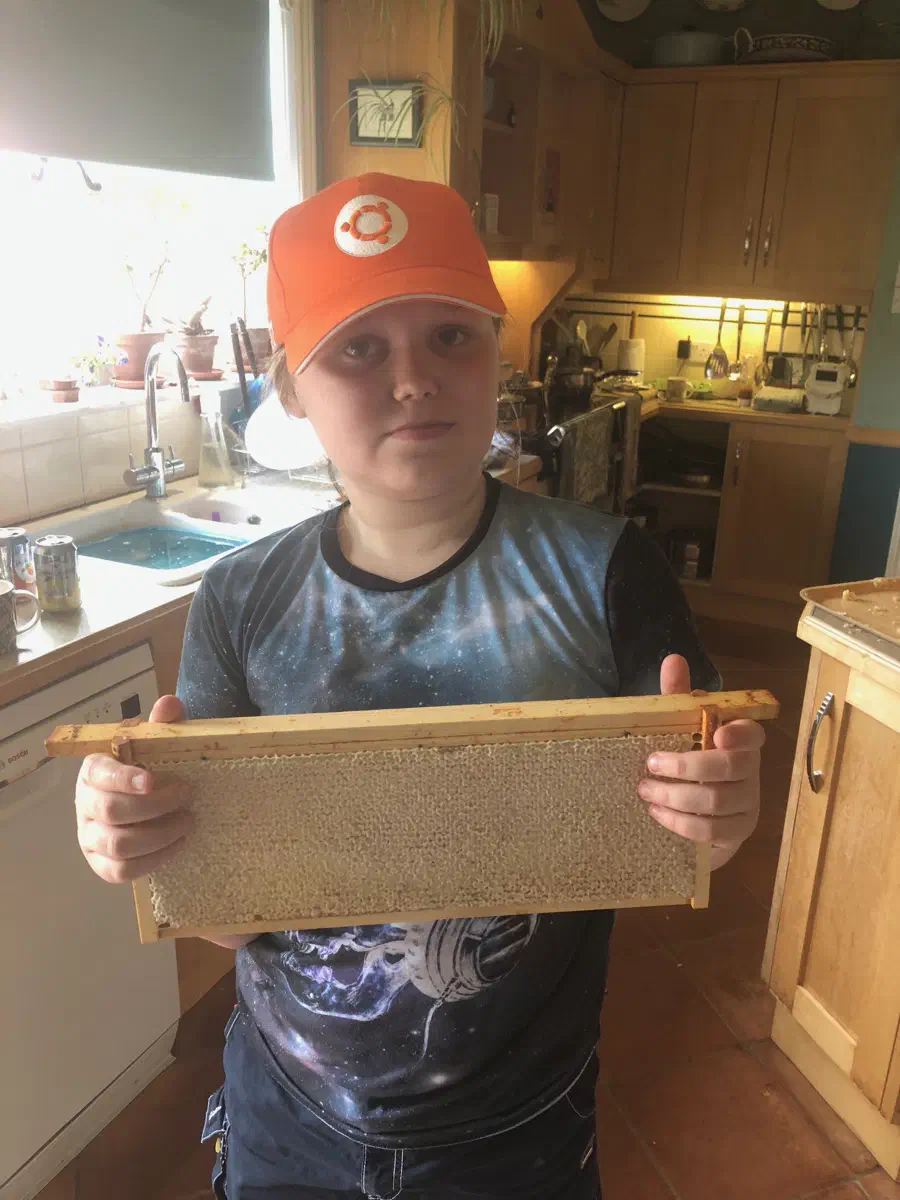
The first show entry was the novice class at the autumn show in 2018. Third prize - which sounds underwhelming until you remember that placing at all in your first show means your honey met the standard. The right moisture content, the right texture, correctly filled, properly labelled. It’s not nothing. The following summer at the Royal Norfolk Show: Very Highly Commended in the creamed honey class. That one felt significant. Out of the novice section, placed against experienced producers.
The Padmore Challenge Cup came in 2024 - first prize in the creamed or granulated honey class, the same class we’d been entering for years. That’s the one that went on the shelf.
This week at the Royal Norfolk Show
The soft set honey class is the one we know best by now. Two matching jars, consistency of colour and texture, correctly filled, perfectly labelled. The judging is precise and the judges give almost nothing away. You hand your entry over and you wait.
Second prize.
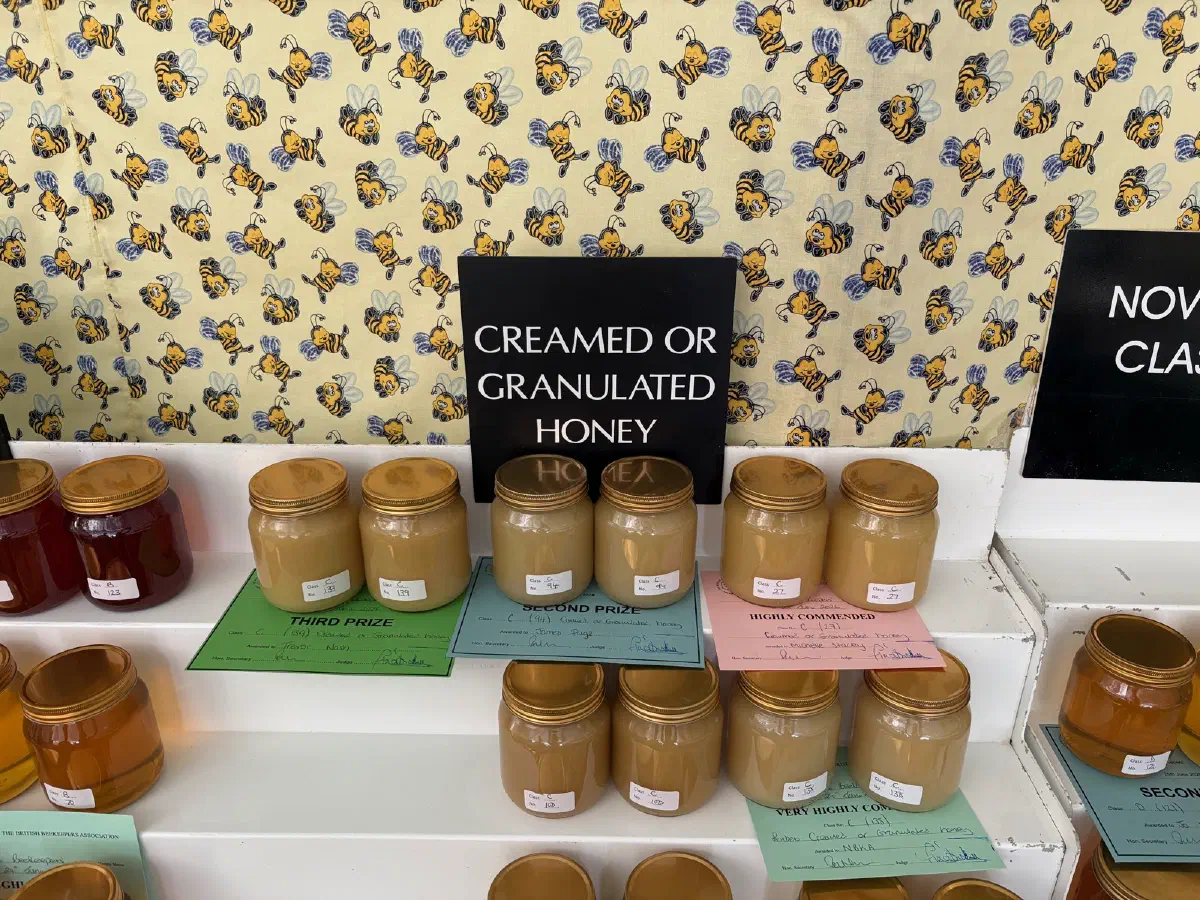
I’m not going to pretend that isn’t one place behind where we were two years ago. But standing in the marquee looking at the display - our jars, the card, the other entries alongside - there was something quietly satisfying about it. Still at the top of that class, nine years in, having started from a novice third prize. The standard in this class is genuinely high. Placing is never a given. And if you’re going to be beaten to first place, Pat and Ady Marshall are exactly the people you’d want to be beaten by.
Back at the hives
Meanwhile, the bees are entirely unbothered by any of this.
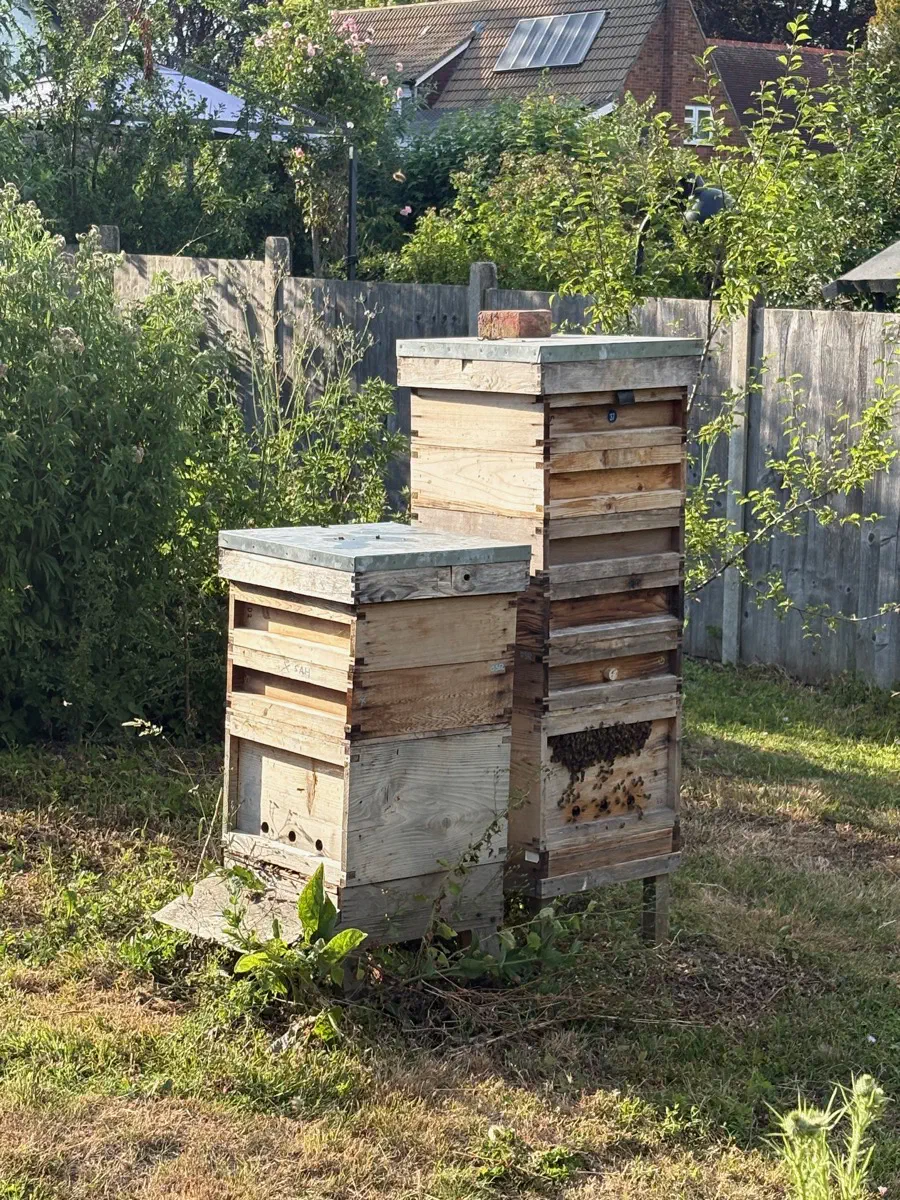
It’s been a week of record-breaking temperatures. The thermometer hit 38°C in the apiary - the kind of heat that has the rest of us wilting. The bees are working flat out regardless. Sweet chestnut is in flower right now, and there is a serious nectar flow coming in: foragers returning heavy and purposeful, legs packed, every flight counting. Open a hive this week and the smell hits you - warm, complex, the beginning of this summer’s honey.
Nine years ago we were running back to the house from a queenless colony in the middle of June. This week we came home from the Royal Norfolk Show with a second prize card, and the hives are going at full tilt in a heatwave.
The bees don’t know it’s been nine years. They’re not marking the occasion. They’ve got a nectar flow and they’re getting on with it.
Probably the right approach, all things considered…