The bramble has been in flower for a week now. I spotted it while out for a run - I cover a fair bit of the countryside around our apiaries on foot, and running has a way of making you notice things: what’s coming into flower, what’s just gone over, how the season is moving. I pulled up when I saw it, white blossom strung out along the hedgerow, and checked my phone.
It was the 23rd of May.
The June gap
For anyone not steeped in the beekeeping calendar, the June gap is the dearth - the quiet period between the end of the spring nectar flows and the beginning of the summer ones. The oil seed rape is done. The hawthorn and fruit blossom are long past. The clover and summer wildflowers haven’t hit their stride yet. For a few uncertain weeks, the bees are living largely off what they’ve put away.
You feel it in the hives. A colony that’s gentle and obliging when nectar is flowing can turn noticeably short-tempered when it isn’t. Inspections get pricklier; you find yourself reaching for the smoker more readily, and stings become more likely. The bee shed starts filling up with scouts nosing around for anything they can find - drawn to the faintest trace of honey on a bucket lid or an old frame. There’s a low-level tension to a colony in a dearth. They know something’s missing.
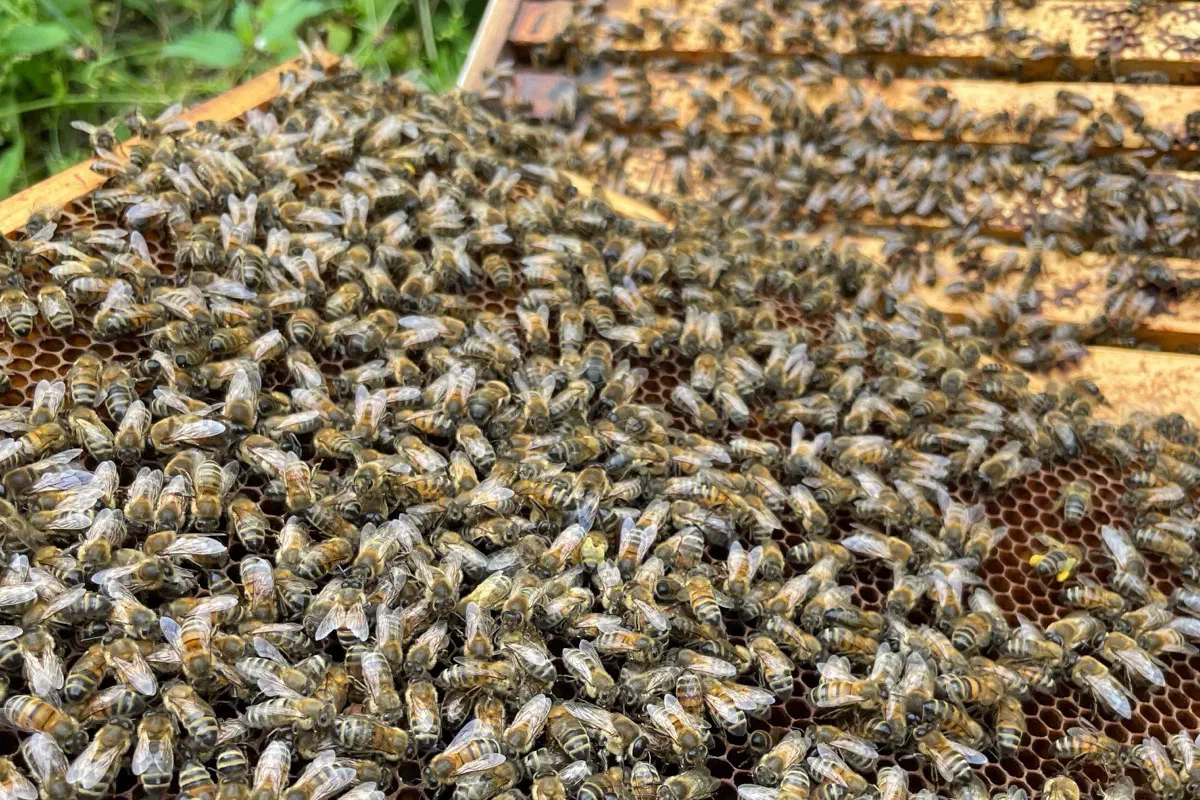
And then the bramble comes into flower, and it all settles again. The hives lift, the bees pour out to work it, and the mood changes almost overnight. In Norfolk, the bramble has always been the thing that ends the gap - reliably, every year, somewhere around the second or third week of June.
Except this year it came into flower in the third week of May.
The season that got ahead of itself
It has been running about a month ahead of itself from the start. Our first extraction last year was the 9th of June. This year it was the 9th of May - exactly a month earlier, and driven partly by urgency. Oil seed rape honey is unforgiving: once the fields start to tinge green from their brilliant yellow, the nectar in the supers begins to set solid in the comb if you leave it too long. You have to watch the fields as closely as you watch the hives. The hawthorn blossom came early. Everything has been compressed and shifted forward, as if someone quietly adjusted the calendar without mentioning it.
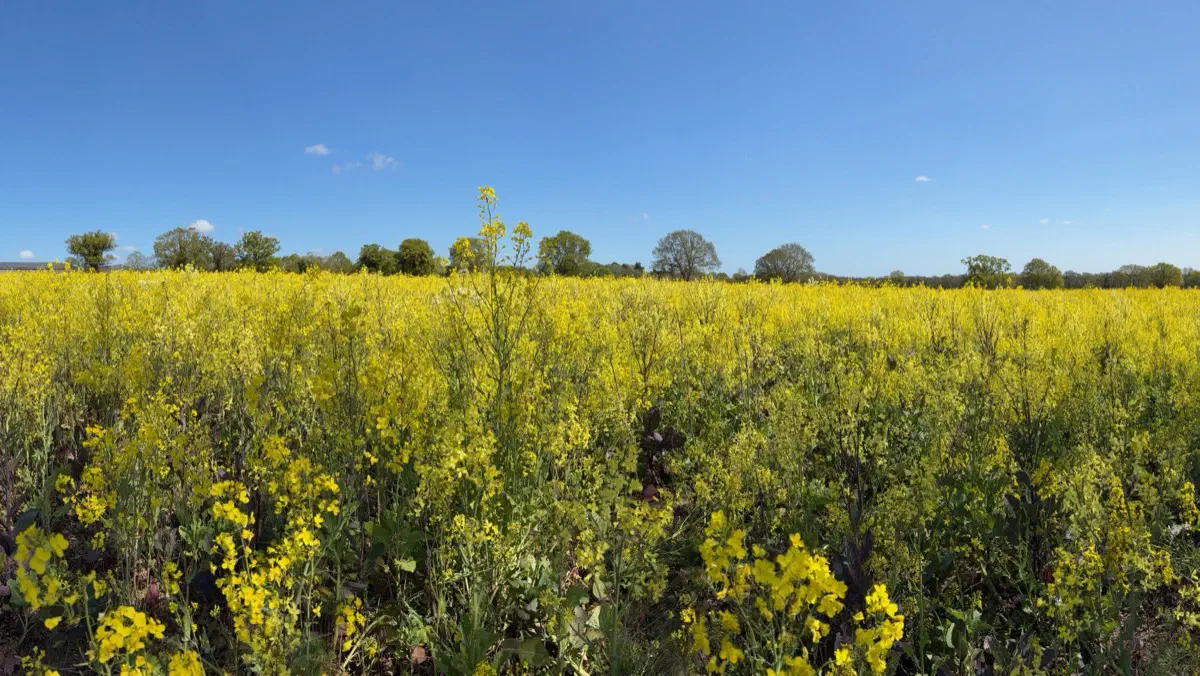
And here we are on the last day of May, with the bramble already a week into flower. The thing that normally marks the end of the June gap has arrived before June has even begun.
It felt like this in 2020
It puts me in mind of spring 2020, which was another season that felt weeks ahead of itself. The pandemic had quieted the roads and kept most of us at home, and for beekeepers that meant something unexpected: more time at the hives. More visits, more observations, more standing at the hive entrance watching the foragers come and go. I think a lot of beekeepers that year simply noticed what was happening more than usual - and what was happening was an early, abundant season. The bees were thriving, and we were paying close enough attention to see it clearly.
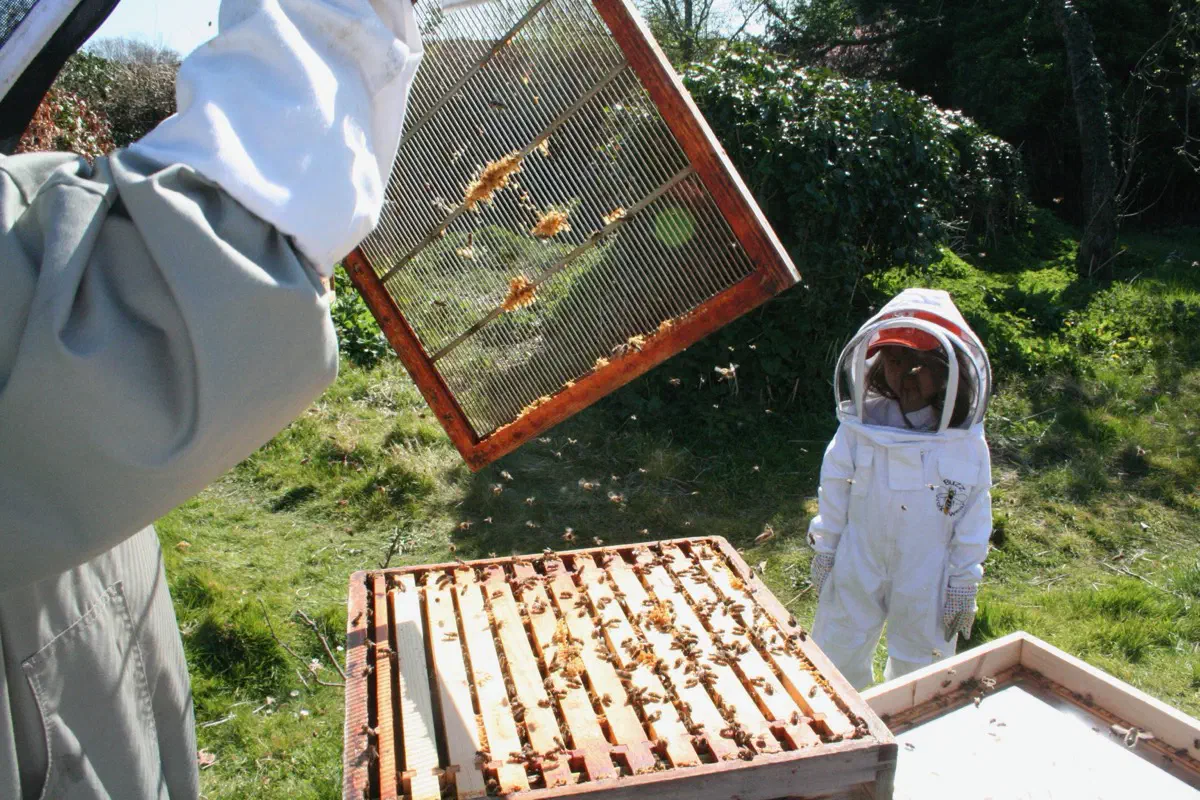
Whether 2020 was a blip or a sign of something larger, it felt significant at the time. This year is starting to feel the same way.
Watching the bees, not the calendar
Which raises a question worth sitting with. Is an early season becoming the norm rather than the exception?
Beekeeping has always been, at its best, about reading the bees and the landscape rather than following the calendar. The calendar tells you roughly when to expect things - but the bees tell you when things are actually happening. A good beekeeper watches the hedgerow, reads the foragers coming in, listens to the mood of the hive.
What I’m wondering now is whether the mental models need to shift. The June gap has been a fixture of the Norfolk beekeeping year for as long as I’ve kept bees - a period you prepare for, manage through, and watch your way to the other side of. But if the bramble is regularly in flower by the last week of May, we may be talking about a May gap before long. A different set of weeks, a different set of expectations.
Whether that becomes a pattern or this year turns out to be another 2020 - a remarkable outlier - I couldn’t say. The bees, for their part, aren’t waiting for an answer. They’re already out on the bramble, filling their baskets, getting on with it.