The ivy’s come into flower over the last week or so, and if you want to see what’s actually flying at this time of year, it’s the place to stand. Most of the summer’s flowers are over and done with - the bramble, the lime, the last of the meadow stuff - and the ivy is one of the only serious nectar sources left. Everything that’s still on the wing ends up there sooner or later.
Stand by it for ten minutes on a warm afternoon and you’ll see the traffic for yourself.
What’s on it
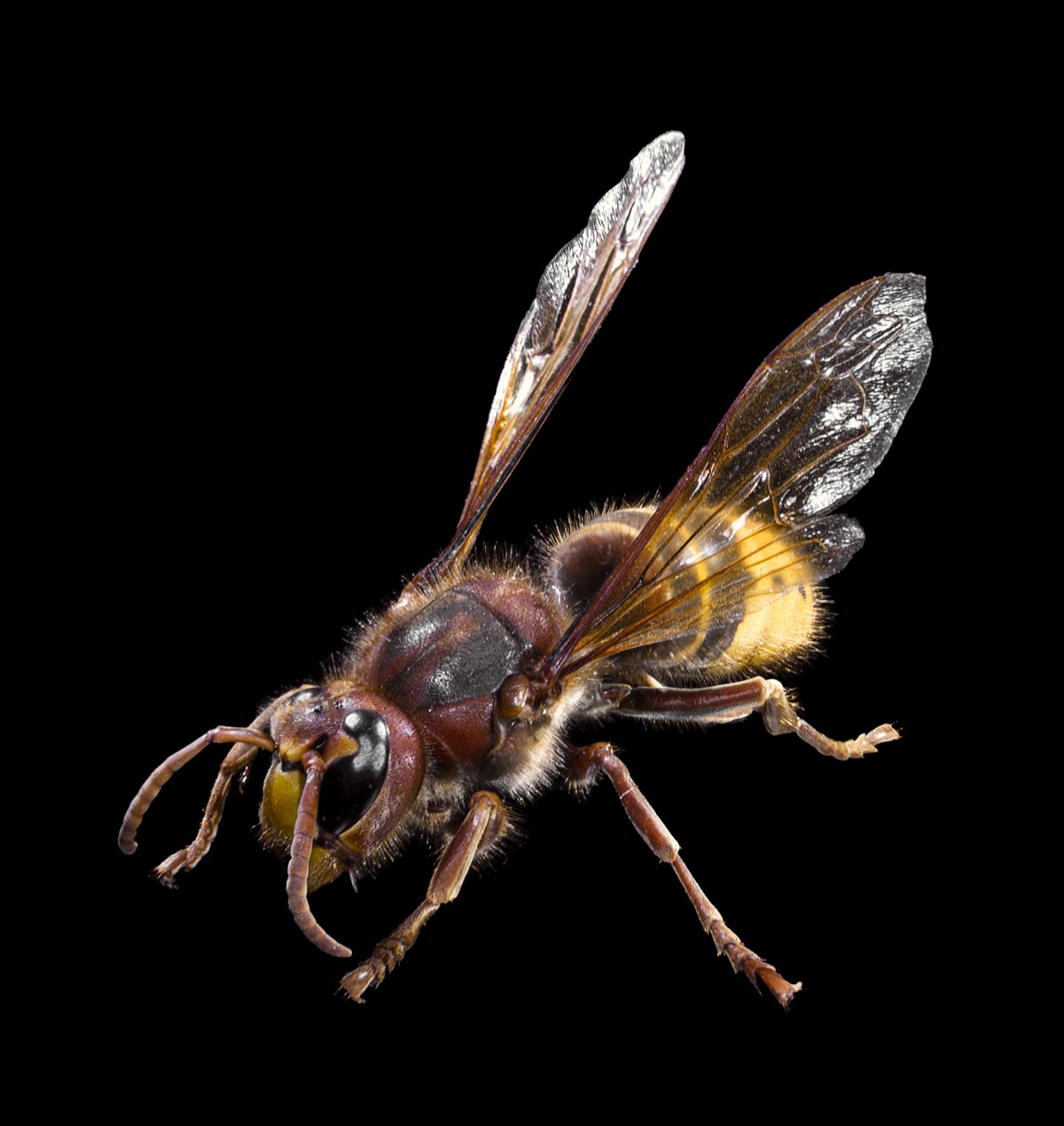
There are European hornets working the flowers most days at the moment - big, handsome insects, all warm chestnut and yellow, and considerably less alarming than they look. They’ve always been here. A European hornet will take the odd bee if the opportunity presents itself, but they’re not a serious problem for a healthy colony, and I don’t worry about seeing them.
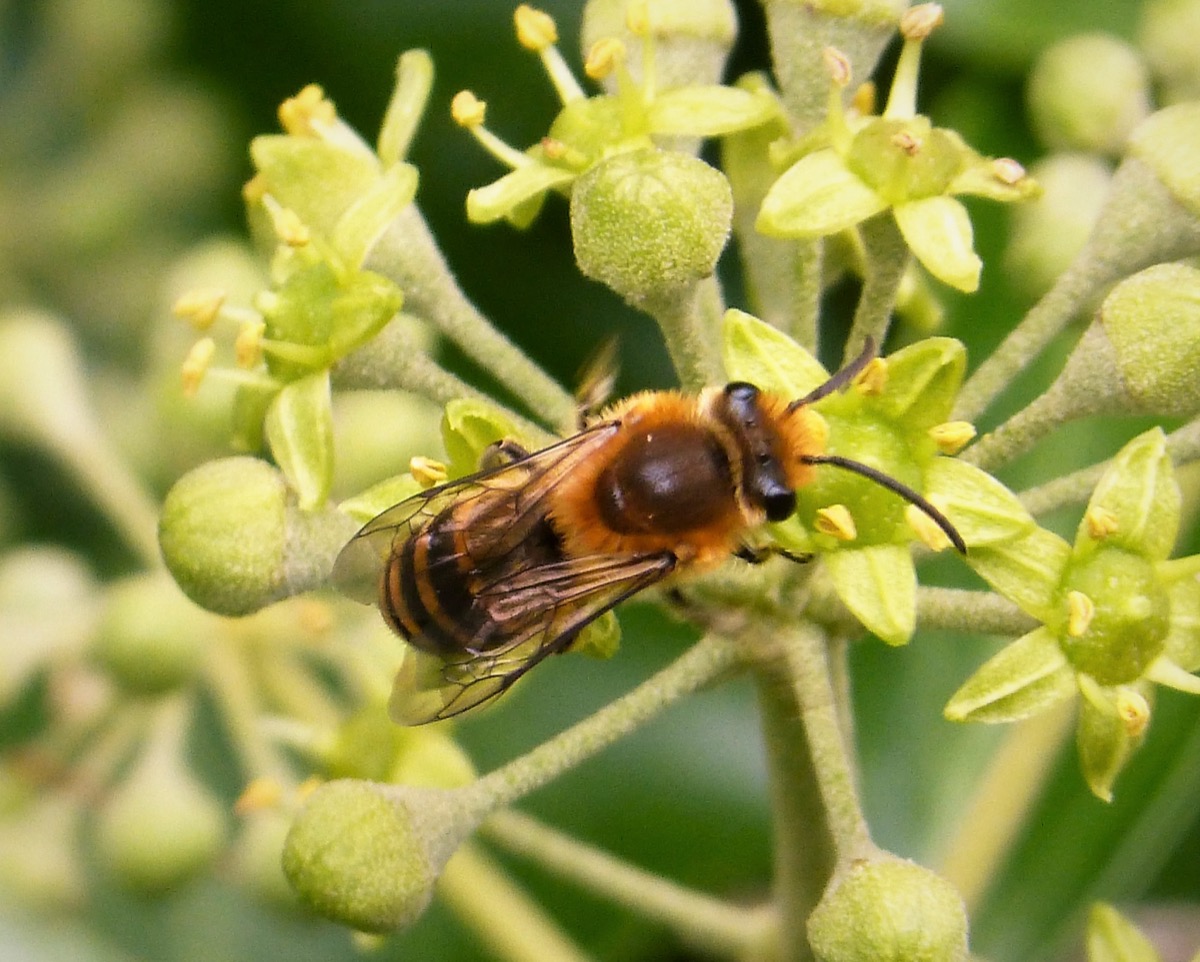
Alongside them this year, in real numbers, is the ivy mining bee - Colletes hederae if you want the full name. It’s a genuine newcomer: first recorded in the UK in 2001, down in Dorset, and it’s spent the years since spreading steadily north until it turned up here. It’s a solitary bee, smaller than a honeybee, with a distinctive gingery fuzz on the thorax, and it times its entire life cycle around the ivy flowering - it’s barely seen doing anything else. Despite feeding on exactly the same flowers as our honeybees, at exactly the same time of year, there’s no real evidence it’s doing them any harm. It’s a nice example of a species arriving from somewhere else and simply finding its own niche rather than causing trouble.
So that’s two newcomers-of-a-sort on the ivy this year, and both entirely fine.
The one I haven’t seen. Yet.
There’s a third insect on my mind while I’m watching the ivy, and it isn’t fine at all. This week is Asian Hornet Week - the BBKA’s annual awareness push, running 7–13 September, timed to when the hornets are most active and most visible before the colonies start winding down for the year.
Most years that’s felt like a story from somewhere else - Kent, the Channel Islands, the south coast. Not this year. In July, a sighting was confirmed in Burgh, near Aylsham - not much more than half an hour from here. APHA’s National Bee Unit has been using radio trackers to try to trace it back to a nest, the same technique that successfully found a nest on the Isle of Wight - tiny transmitters glued to individual hornets, followed back to wherever they’re calling home. Nationally, as of 3 September, there have been 167 credible sightings this year, resulting in 53 confirmed nests. It’s still a small number set against the size of the country, but the map keeps filling in, and Norfolk is on it now.
Why this one’s different
The European hornet and the ivy bee are both, in their own ways, no real cause for concern. The Asian hornet is different, and not only because of what it does to honeybees.
It’s a generalist predator - a single colony has been recorded preying on well over a hundred different insect species across a season: hoverflies, wasps, other pollinators, all sorts, on top of honeybees. It changes how insects behave around flowers even when it doesn’t catch them, hovering and hawking until things simply stop coming. Honeybee colonies get particular attention because a hive is a concentrated, reliable food source - hornets will hang outside the entrance and pick off foragers as they return, and a colony under sustained pressure from a nearby nest can be seriously weakened. But the wider worry, watching everything currently working the ivy, is that it isn’t fussy. It would happily take the hornets and the ivy bees too.
Know your hornet
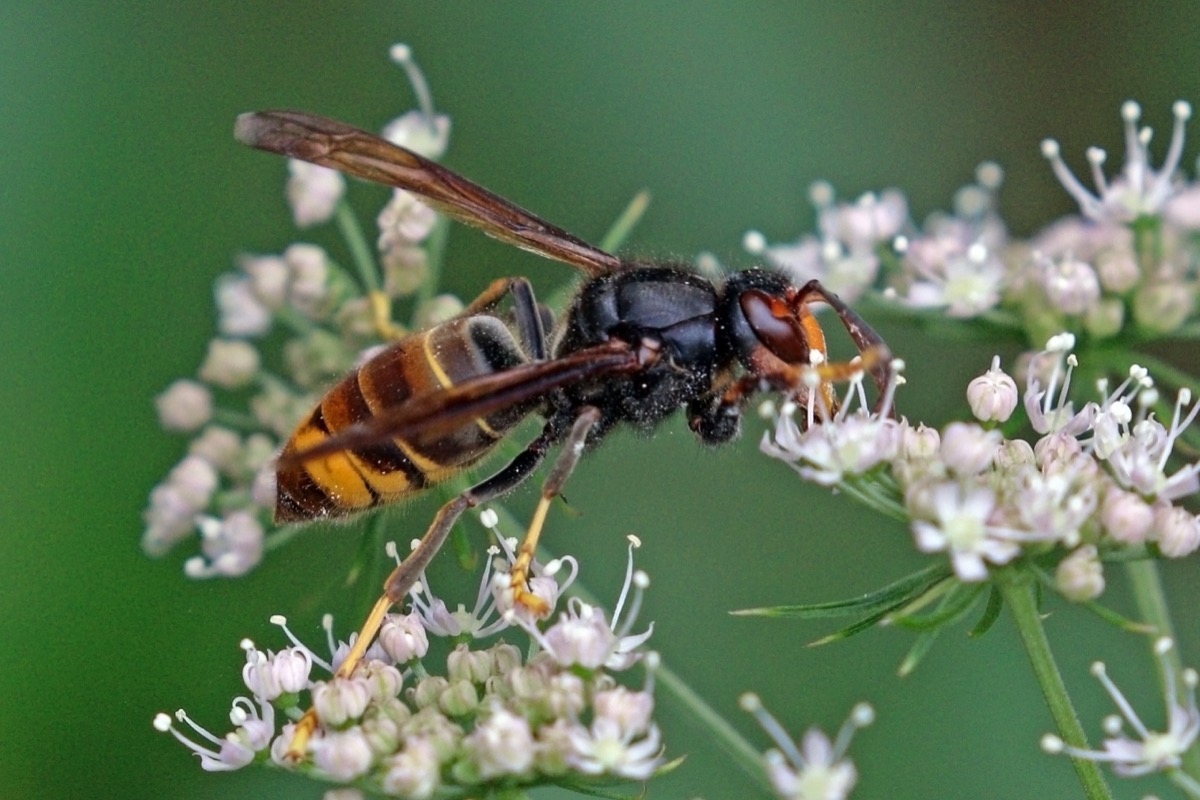
Worth knowing what you’re actually looking at, if you’re stood at your own ivy this month:
- European hornet - large, warm chestnut-and-yellow colouring, legs the same colour as the body. The one that’s always been here.
- Asian hornet - noticeably smaller than the European hornet, body mostly dark brown to black, with one broad orange-yellow band near the tip of the abdomen and yellow-tipped legs - beekeepers call it “yellow socks.”
- Ivy bee - much smaller than either, a solitary bee with gingery fuzz on the thorax and neat pale bands on the abdomen, often in good numbers on the ivy itself.
If you think you’ve genuinely seen an Asian hornet, report it - ideally with a photo - through the Asian Hornet Watch app or the BBKA’s online reporting form, and leave it at that. Nests aren’t a DIY job. And don’t take it out on the European hornets or the ivy bees in the meantime - they’re not the problem.
Back to the ivy
For now it’s still just the two of them out there - the hornets that have always been here, and the little ginger bee that arrived from somewhere else and settled in without causing any trouble. I’ll keep standing by the ivy this month, for the pleasure of it as much as anything, but with one eye open now for the one that, so far, hasn’t turned up here - not just for the bees’ sake, but for everything else out there working the flowers…